New Rule: No Red Dots, No Lasers, No Lights on Your Carry Gun - Survival World
Gun rights YouTuber William of Copper Jacket TV sounded genuinely stunned in a recent breakdown of a new concealed-carry restriction he found in California: a county-level rule that bans red-dot optics, weapon-mounted lights, and lasers on carry pistols. Coming from a state famous for tight gun laws, the host said this one still “struck [him] as so outrageous” he had to share it. The gist, as he reported it: if you want a concealed carry permit there, you’ll need to leave some of the most common modern safety and aiming accessories at home – or risk denial or revocation of your license.
California’s Patchwork – Explained by William

Image Credit: Copper Jacket TV
Setting the table, William reminded viewers how California historically worked: each county sheriff set their own issuance standards and gear rules for CCW. Pre-Bruen, some counties were effectively “may issue,” others leaned “shall issue,” resulting in a checkerboard of access and conditions. Even after the Supreme Court’s Bruen decision, which expanded the right to carry in public, local offices still retain latitude over how permitted carry happens – what you can list, and what you can attach. It’s in that gray zone, he said, that this county-level accessory ban lives.
Not Proposed – Already Live, Says the Host
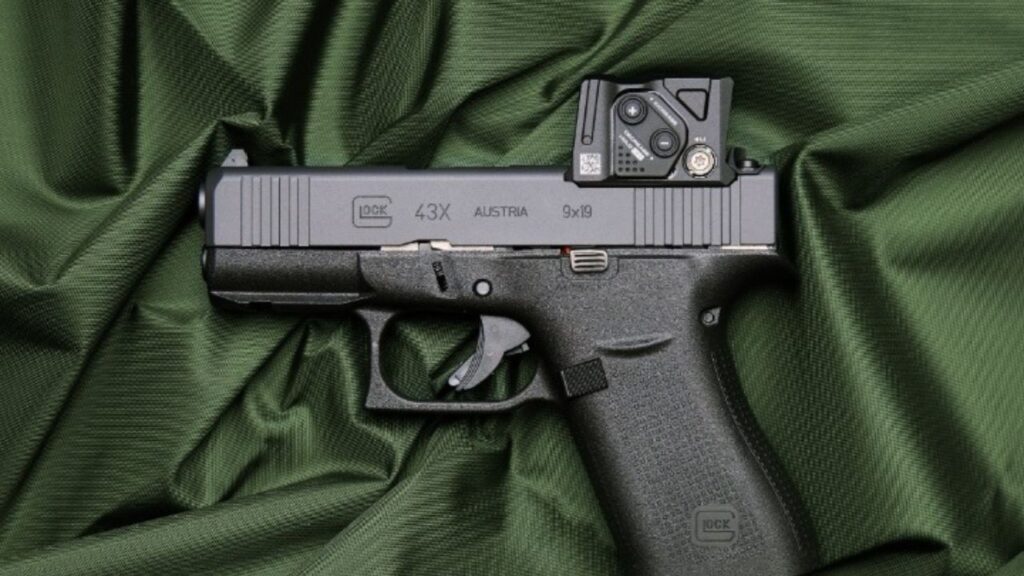
Image Credit: Glock, Inc.
William emphasized this isn’t a draft memo or a trial balloon. He said the rules are posted on the sheriff’s website and are in force right now. Applicants, according to William’s reading, can list two firearms, must own them, and the models are reported to California DOJ. But the kicker is the parameters for what qualifies. If your gun doesn’t fit, your application can be denied. If you change the gun later in a way that violates the list, say you add a red dot after approval, the sheriff can revoke your permit outright.
First, They Limit the Types of Pistols

Image Credit: Survival World
Before the accessory bans, the county’s list narrows which handguns qualify, William said. According to him, “single-action only” pistols are out, including any semi-auto built on the Colt 1911 pattern. Meanwhile, DA/SA guns (double-action first shot, single-action subsequent shots) remain acceptable. Derringers and derringer variants are also on the prohibited list. For a lot of responsible carriers, especially 1911 fans, William noted that this alone knocks out trusted, decades-proven platforms that many shoot well and safely.
Then, They Ban the Modern Aiming Tools

Image Credit: Glock, Inc.
Here’s the line that lit William’s fuse: “Firearms with attached laser sights, flashlights, red dots, and sighting systems are not acceptable.” By contrast, glow-in-the-dark or luminescent sights are fine. In his telling, that means no RMRs, no Holosuns, no weapon-mounted WMLs, no lasers – essentially stripping carry pistols of the very tools many trainers recommend for low-light identification and faster, more precise alignment under stress. William’s verdict: “mind-blowing,” and, in practical terms, counterproductive to safety.
William’s Safety Argument: Identify, Verify, Hit the Right Thing

Image Credit: Survival World
William’s core complaint is simple: lights, dots, and lasers are safety tools. A red dot helps shooters focus on the target and align faster – especially for aging eyes or in awkward positions. A white light lets you identify a target, read the background, and reduce the chance of tragic mistakes in low light. A laser can speed up alignment for those who need it in a fight where seconds matter. Removing these tools, he argued, doesn’t reduce risk – it increases it by handicapping the very people trying to carry responsibly.
The County: Contra Costa, East Bay – Population ≈1.2M

Image Credit: Survival World
After letting viewers guess, William revealed the jurisdiction: Contra Costa County, across the Bay from San Francisco. He estimated roughly 1.2 million people live under these rules – a population larger than many states. That scale matters. Whatever your position on attachments, sweeping a million-plus people into a no-dot, no-light regime is a massive policy choice. My take: at that size, this isn’t a quirk – it’s a precedent with ripple effects, potentially encouraging similar bans in neighboring counties that want a “safe” template to copy.
He Even Compares It to L.A. – And L.A. Looks Looser

Image Credit: Survival World
To calibrate how unusual this is, William contrasted the Contra Costa rules with Los Angeles County. He pointed out that L.A., not exactly a permissive jurisdiction pre-Bruen, doesn’t ban red dots, lights, 1911s, or other items on Contra Costa’s restricted list. Yes, both require the guns to be registered and listed, but the accessory prohibition is unique. If L.A. County can issue permits without banning modern sighting/ID tools, it’s hard not to ask why Contra Costa needs to go further. The patchwork just got patchier.
“Stock Only,” With a Sword Hanging Over Your Permit
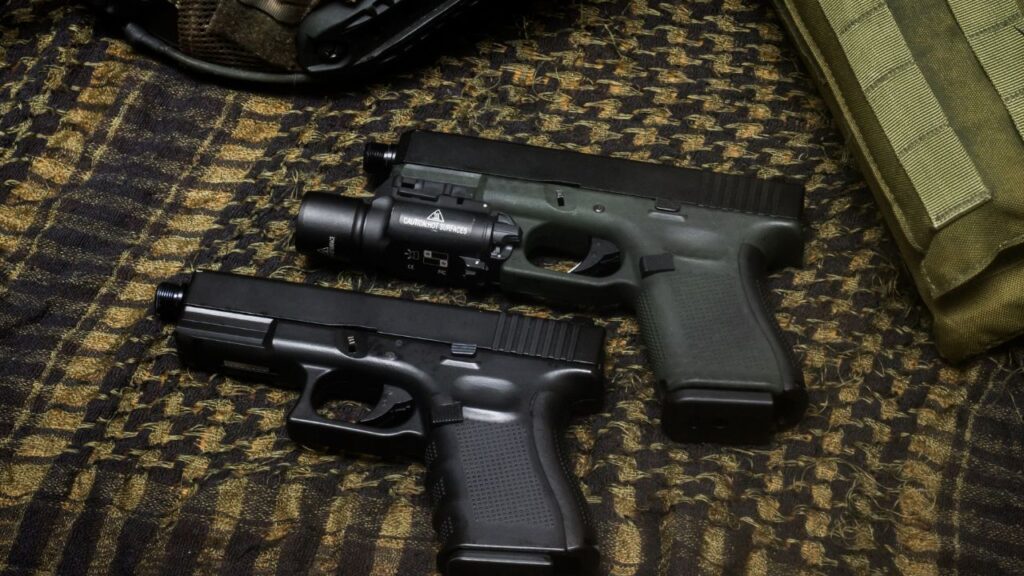
Image Credit: Survival World
William flagged another practical headache: the rules strongly incentivize a “stock-only” carry gun. Get a permit with a plain-jane pistol and decide six months later that an optic would help your eyes? Under what he read, that could be a revocation trigger. Even a well-intentioned upgrade, say, adding a light to meet best practices for low-light ID, could technically put you out of compliance. In the real world, that chills responsible customization, locks people into suboptimal tools, and makes permit maintenance feel like walking a compliance tightrope.
The Constitutional and Legal Rub (My Read)

Image Credit: Survival World
William’s outrage is aimed at safety and common sense, but it inevitably brushes the constitutional question post-Bruen: if public carry is a right, how far can a county go in conditioning how you exercise it? Courts have long tolerated some administrative conditions for permits. But a categorical ban on common, widely-used safety and aiming accessories may invite new challenges – especially if applicants can show these tools are in “common use” for lawful purposes. I’m not predicting outcomes; I’m saying the ingredients for a legal fight are definitely here.
Training Reality: Most Defensive Uses Happen in Low Light
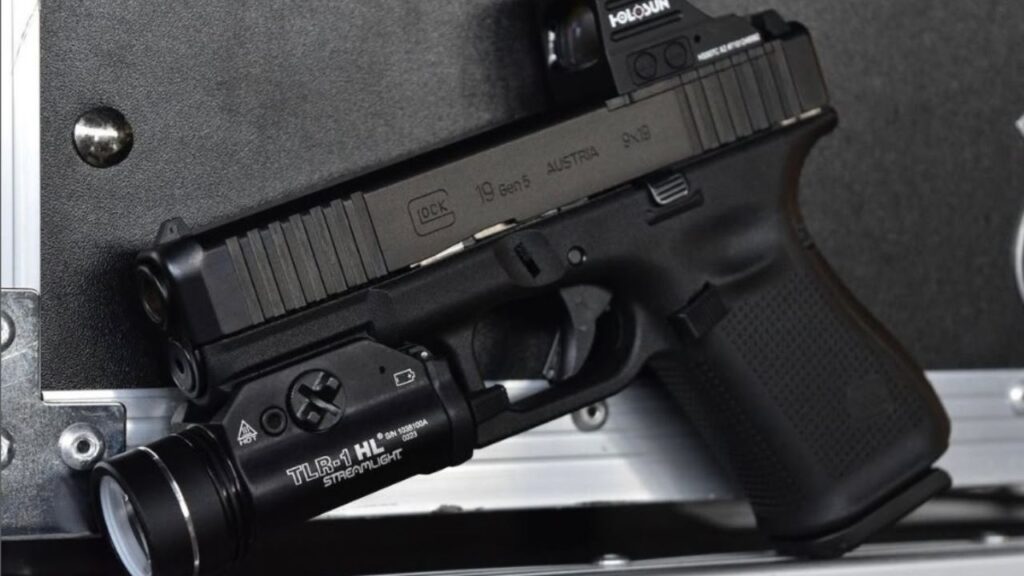
Image Credit: Glock, Inc.
Set ideology aside and look at training data and real-world risk. Many self-defense encounters occur in dim or no light. Responsible carriers are taught to identify before they shoot. A weapon-mounted light, or at least a dedicated handheld, is fundamental to that discipline. Likewise, dots have become mainstream because they help many shooters place rounds more precisely under stress. William’s argument lands with trainers for a reason: a policy that treats these add-ons like frivolous “tacti-cool” trinkets ignores their genuine safety function.
William’s Call to Attention – and What Comes Next
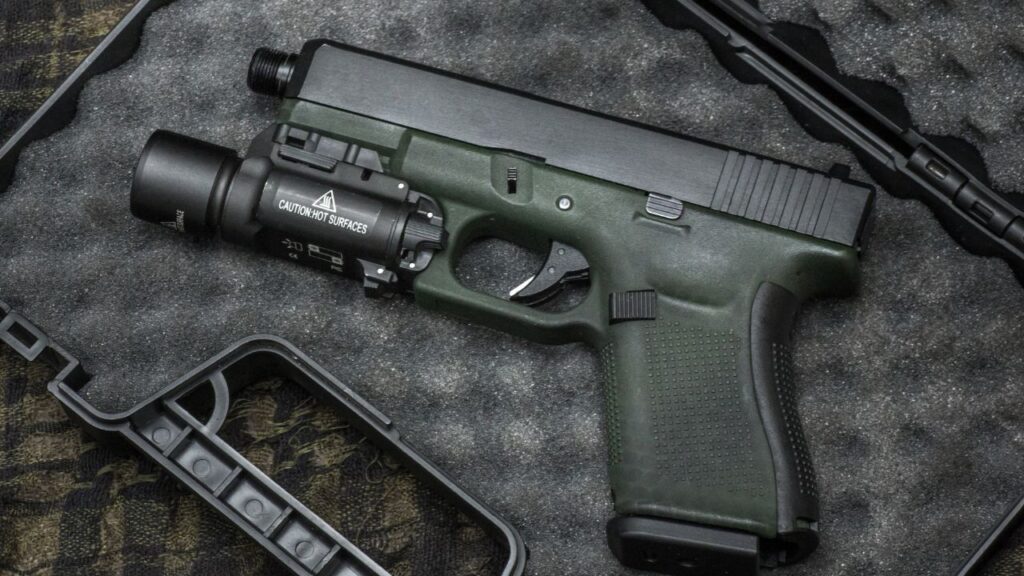
Image Credit: Survival World
William closed by urging viewers to weigh in and spread the word. Whether you agree with him or not, he did what local media often misses: he surfaced an obscure, high-impact rule that affects everyday people. My view: local policy is where rights are increasingly defined, narrowed, or enabled. If you live in Contra Costa, read the sheriff’s page carefully, consult your instructor, and document your setup. If you think the rule undermines safety or overreaches, engage – politically, respectfully, and persistently. County rules can change. They usually only do when enough informed citizens push.


