Does a silencer impede the velocity of the bullet?
3 Likes
Welcome to the forum Ronald434.
A silencer will generally give you a very slight increase in muzzle velocity, like 10 to 40 FPS. A silencer traps the expanding muzzle gases inside its sealed baffles. This acts as a short extension of the barrel, pushing on the base of the bullet for a fraction of a millisecond longer.
8 Likes
Haven’t really considered a suppressor until recently due to possible positive changes in the regulation on them. Also possible better cost on them
1 Like
Short answer; No.
However if it’s not aligned properly (poor manufacturing of the can or improper barrel threading) the bullet can strike the baffles and blow the whole thing apart.
And they are just a straight pass through muffler, like a glass pack on a hot rod, it doesn’t “silence” the report of the weapon, just reduces the sound.
Bear in mind that the bullet itself in most cases is traveling beyond the speed of sound, and as such creates a sonic boom that travels with it so firing most guns with a suppressor will still have a fairly loud “crack”
And then on semiautomatic firearms, there will be what’s known as breach pop, the high pressure gasses that cycle the gun have to go somewhere, and some of them exit the back of the barrel at the breach during the firing cycle.
A suppressor actually increases this as it’s trapping more of those gasses at the muzzle, creating a higher pressure within the barrel.
I’m by no means an expert on this, please do your own research.
I do have some experience with suppressors however.

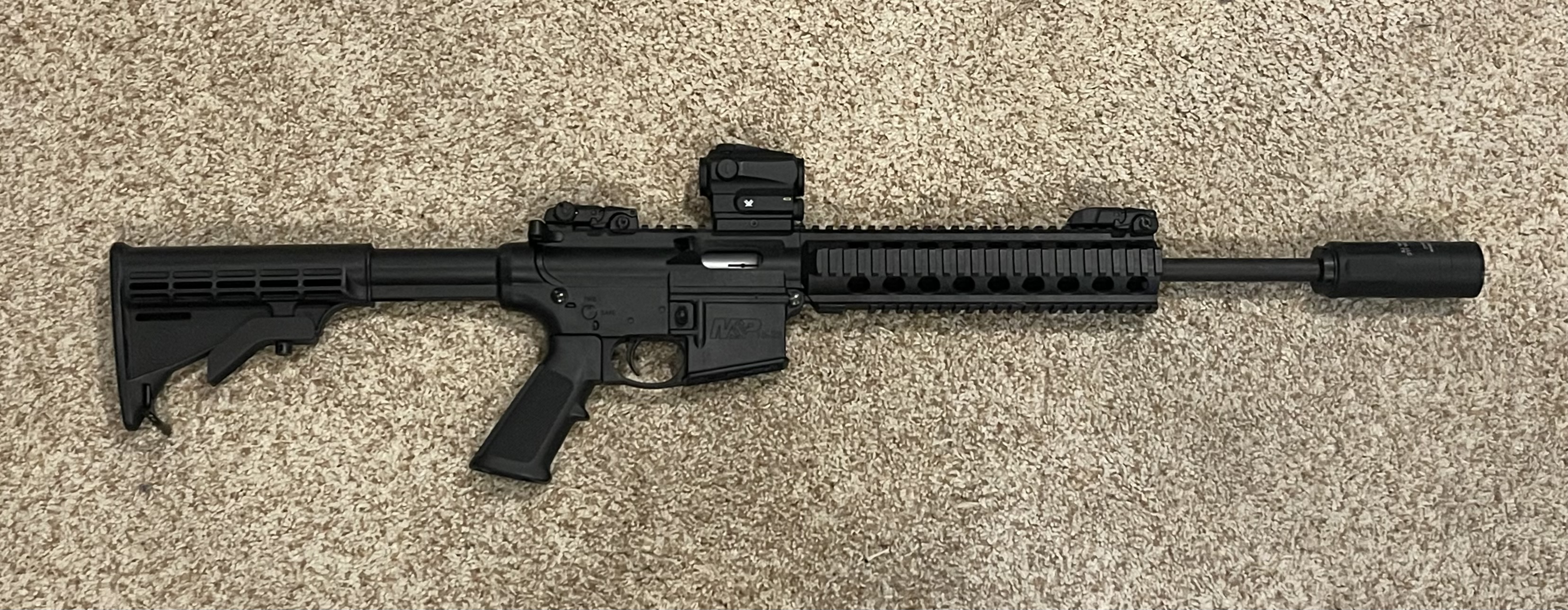
even suppressed, a sufficiently large round still announces that it’s been fired!

5 Likes
Real world experience has me thinking @Stuart_Bradley is correct, as with 4 suppressors on guns from .22lr to .300wm I have either same poi suppressed/unsuppressed or a very slight rise in poi, mainly with the .308win/.300wm bolt action guns. The 5.56 gas guns, 11.5-20" barrels show no discernable difference. Cans have 6-9 baffles, and the gas guns are tuned for 3:30-4:00 ejection both suppressed and unsuppressed.
2 Likes
The short answer is no. In most cases, a suppressor does not reduce bullet velocity, and some setups may even show a very slight increase because the expanding gases continue pushing on the bullet for a fraction of a second longer.
(One thing that often gets overlooked)
Velocity is usually the least noticeable change. Most shooters tend to notice differences in sound, recoil characteristics, muzzle blast, gas blowback, and overall shooting comfort. The exact results can vary depending on the firearm, ammunition, and suppressor design.
2 Likes