Fast Times At Richmond High 

Fast Times At Richmond High
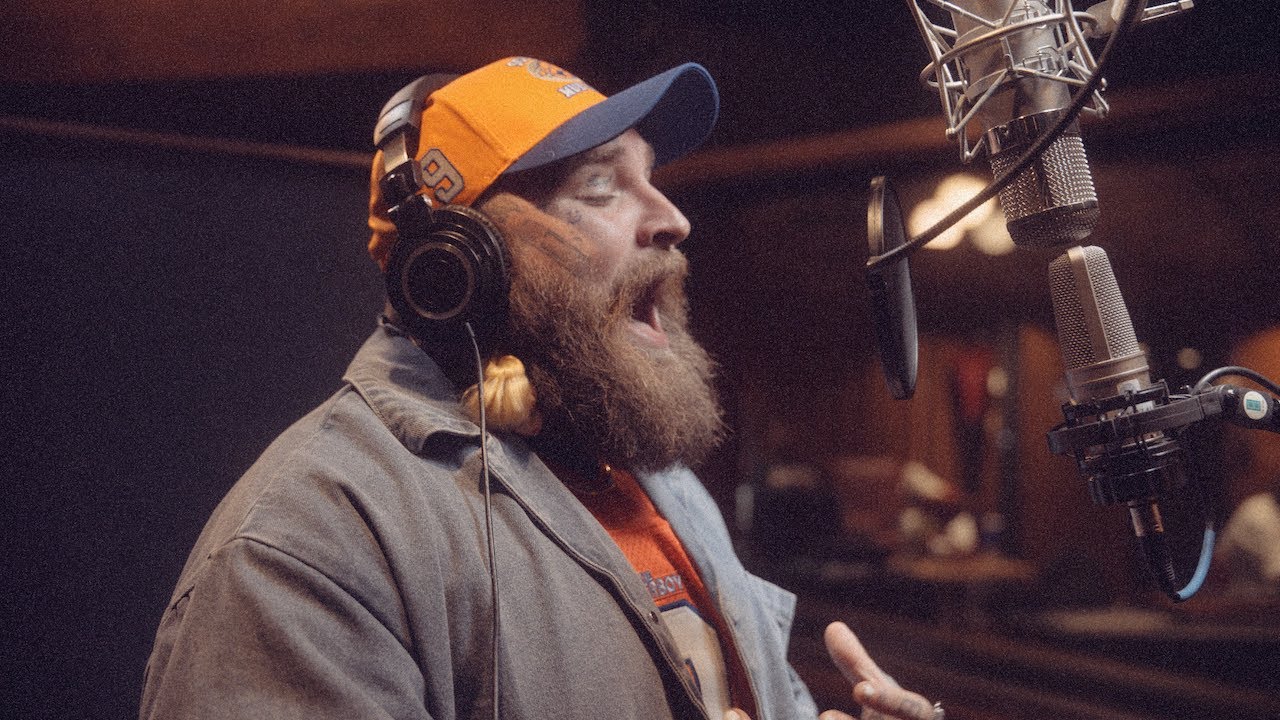

Love that song, original and the remake by one of my favorite bands.
Less hate on the music thread. I like that. 
I appreciate that Brad.
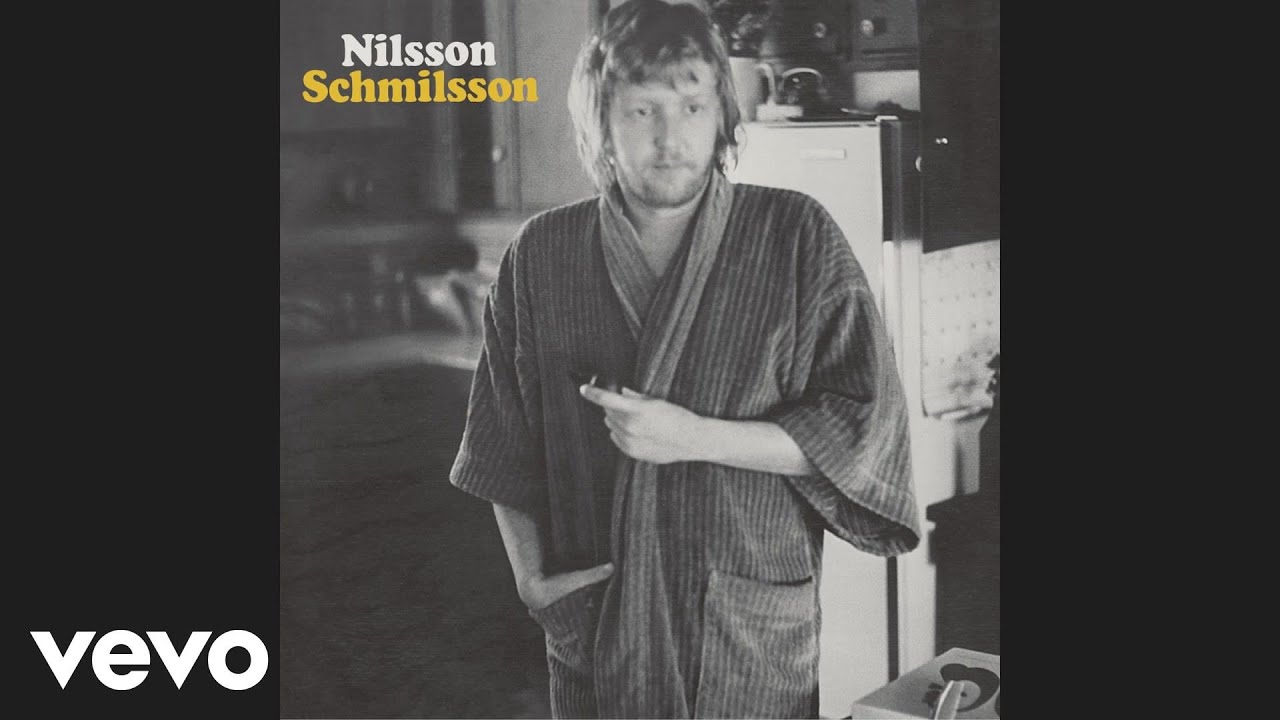
Interesting, I was just reading about Harry Nilsson yesterday.
The Beatles called him their favorite American artist. He won two Grammys, wrote brilliant songs, and had a three-and-a-half-octave range. Yet he never performed a single major concert.
In 1968, at a press conference launching Apple Records, a reporter asked John Lennon to name his favorite American artist.
“Nilsson,” Lennon answered immediately.
Another reporter turned to Paul McCartney and asked him to name his favorite American group.
“Nilsson,” Paul said.
Harry Nilsson was a 27-year-old bank clerk from California who’d just released his first album. He was sitting in his apartment when he got the phone call—John Lennon calling to congratulate him on “Pandemonium Shadow Show.”
The next day, Paul McCartney called with the same message.
Harry Nilsson quit his job at the bank the very next day.
Born in Brooklyn in 1941, Harry grew up in poverty, raised largely by his mother after his father left. He taught himself to play ukulele, then guitar, then piano. He wrote songs at night while working full-time—first singing demos for $5 per track, then as a computer specialist at a bank.
His first break came when he wrote three songs with legendary producer Phil Spector. Then the Monkees recorded his song “Cuddly Toy” in 1967.
When Harry signed with RCA Records that same year, Beatles press officer Derek Taylor bought an entire box of “Pandemonium Shadow Show” albums to distribute to friends and industry insiders.
The album showcased something extraordinary: Harry’s voice.
A clear, fluid, three-and-a-half-octave tenor capable of both intimate whispers and operatic wails. Jimmy Webb—one of the greatest songwriters of the era—called Harry the best singer of their generation. Ringo Starr called it “the greatest voice on planet Earth.”
Harry’s voice had warmth and emotional directness, but with even more range and technical precision than almost anyone else recording at the time. When he sang, he didn’t just perform—he inhabited songs completely.
“Pandemonium Shadow Show” also demonstrated Harry’s brilliance as a songwriter and arranger. One track, “You Can’t Do That,” was a John Lennon cover that wove references to 17 other Beatles songs into multi-layered backing vocals—a feat of both musical knowledge and arrangement skill.
In 1968, Harry’s second album “Aerial Ballet” included his rendition of Fred Neil’s “Everybody’s Talkin’.” When director John Schlesinger chose it as the theme for “Midnight Cowboy” in 1969, the song became a massive hit—reaching #6 on Billboard and earning Harry his first Grammy Award for Best Contemporary Male Vocal Performance.
But “Aerial Ballet” also contained Harry’s own composition “One”—a haunting meditation on loneliness that Three Dog Night took to the top 5 of the charts in 1969. The song became one of the defining hits of the era.
By 1971, Harry had released “Nilsson Schmilsson”—an album that showcased his full range of talents.
“Without You,” his cover of a Badfinger song, became a #1 hit and won him a second Grammy. His vocal performance was transcendent—building from tender vulnerability to a climactic, soaring wail that remains one of pop’s most astonishing moments.
“Coconut”—a playful, genre-bending novelty song Harry wrote himself—became a cultural phenomenon, its lime-and-coconut chorus embedded in popular consciousness.
“Jump Into the Fire” was a searing rocker that Martin Scorsese later used to devastating effect in “Goodfellas.”
“Nilsson Schmilsson” reached #3 on the charts. Harry Nilsson was now one of the most acclaimed artists in popular music.
What made Harry unique was his refusal to tour. He never performed major public concerts. He was a pure studio artist, using the recording studio itself as his instrument.
In 1970, Harry created “The Point!”—an animated television film about a round-headed boy in a pointed-head world. He wrote all the songs and narrated the story. It became a beloved children’s classic, demonstrating Harry’s gift for storytelling and his ability to create meaningful work across different mediums.
In 1970, he also recorded an entire album of Randy Newman songs—“Nilsson Sings Newman”—at a time when Newman was virtually unknown. It was a brave artistic choice that helped introduce Newman’s brilliant songwriting to a wider audience.
Throughout the early 1970s, Harry continued releasing inventive, critically acclaimed albums. He worked with legendary arranger Gordon Jenkins on “A Little Touch of Schmilsson in the Night” (1973)—an album of pre-rock standards that showcased his vocal control and interpretive depth.
Harry’s songs were recorded by an astonishing range of artists: The Monkees, Glen Campbell, Fred Astaire, The Yardbirds, and dozens more. His influence extended far beyond his own recordings.
In 1974, John Lennon produced Harry’s album “■■■■■ Cats.” During those sessions, Harry damaged his vocal cords. The injury was serious and permanent—doctors told him to rest for six months. But Harry, passionate about his work and afraid of losing momentum, pushed through. His voice never fully recovered.
It was a devastating blow for an artist whose greatest instrument was that voice.
But Harry didn’t stop creating.
In 1980, when John Lennon was murdered, Harry channeled his grief into action. He became a passionate advocate for gun control, working with organizations to end handgun violence. It was meaningful work that consumed much of his energy for the rest of his life.
In the 1980s, Harry contributed songs to Disney’s “Popeye” film and continued recording sporadically. He focused on raising his family—six children with his third wife, Una O’Keeffe.
In 1993, Harry suffered a heart attack. But instead of slowing down, it reignited his creative drive. He started writing and recording again, working on a new album, believing he still had more music to give.
On January 15, 1994, Harry Nilsson died in his sleep at his home in Agoura Hills, California. He was fifty-two years old. He had just finished vocal tracks for that new album.
The following year, artists including Ringo Starr, Stevie Nicks, and others paid tribute to him on the album “For the Love of Harry: Everybody Sings Nilsson.”
In 2006, the documentary “Who Is Harry Nilsson (And Why Is Everybody Talkin’ About Him)?” introduced his story and music to a new generation.
In 2015, Rolling Stone ranked Harry #62 on their list of the “100 Greatest Songwriters of All Time,” describing him as “a pioneer of the Los Angeles studio sound” and “a crucial bridge” between 1960s psychedelia and the 1970s singer-songwriter era.
Harry Nilsson never performed a major public concert. He never toured. He never played the game the way the music industry expected.
But he wrote brilliant songs. He won two Grammys. He had a voice that made the Beatles name him their favorite American artist. He created an animated classic that taught children about acceptance and individuality. He experimented fearlessly—standards albums, children’s films, collaborations across genres.
“Without You,” “Everybody’s Talkin’,” “One,” “Coconut,” “Jump Into the Fire”—these songs carry the clarity of confession, the warmth of a friend, the surprise of genuine artistry.
Harry Nilsson was an artist who followed his own vision completely, who used the recording studio to create music that still sounds intimate and surprising decades later.
The Beatles were right.
He was extraordinary.
However, I only know of one Nilsson song and I wasn’t even aware that it was a remake of a Badfinger song. It was just epic.
@BeanCounter I didn’t know any of his life story. So many of his songs are part of my past and live on. Thanks for the background info!
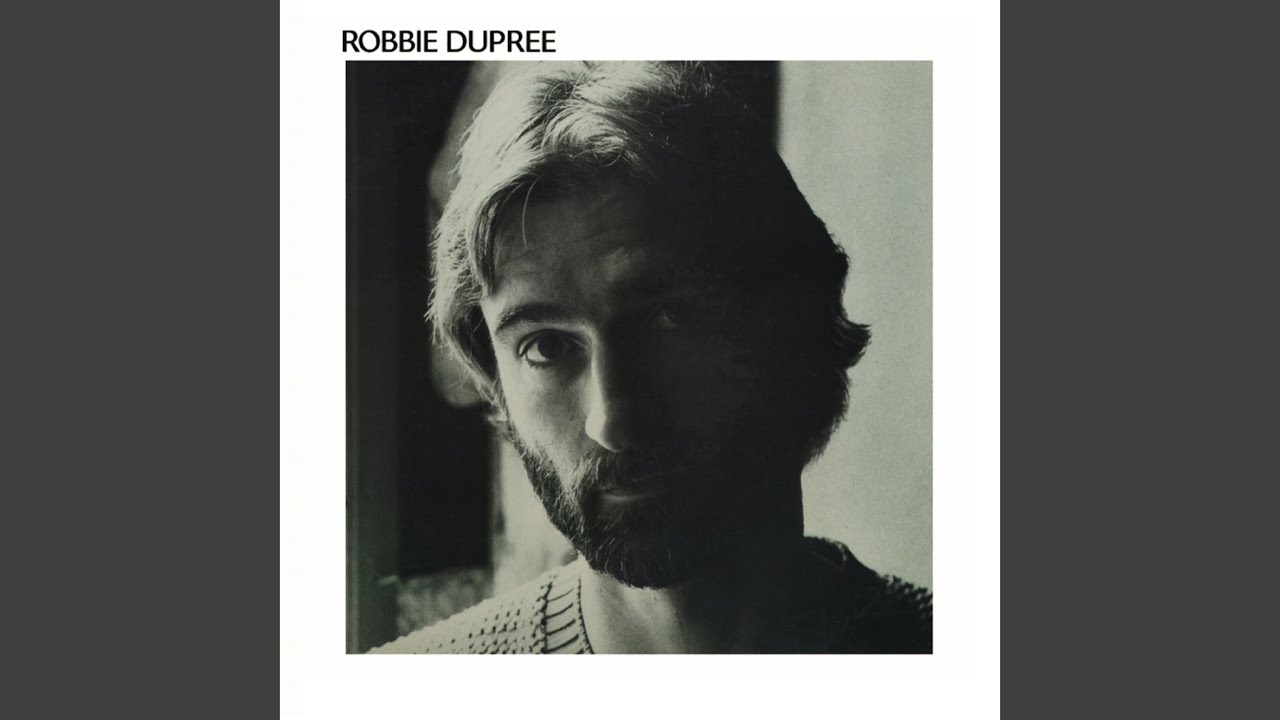
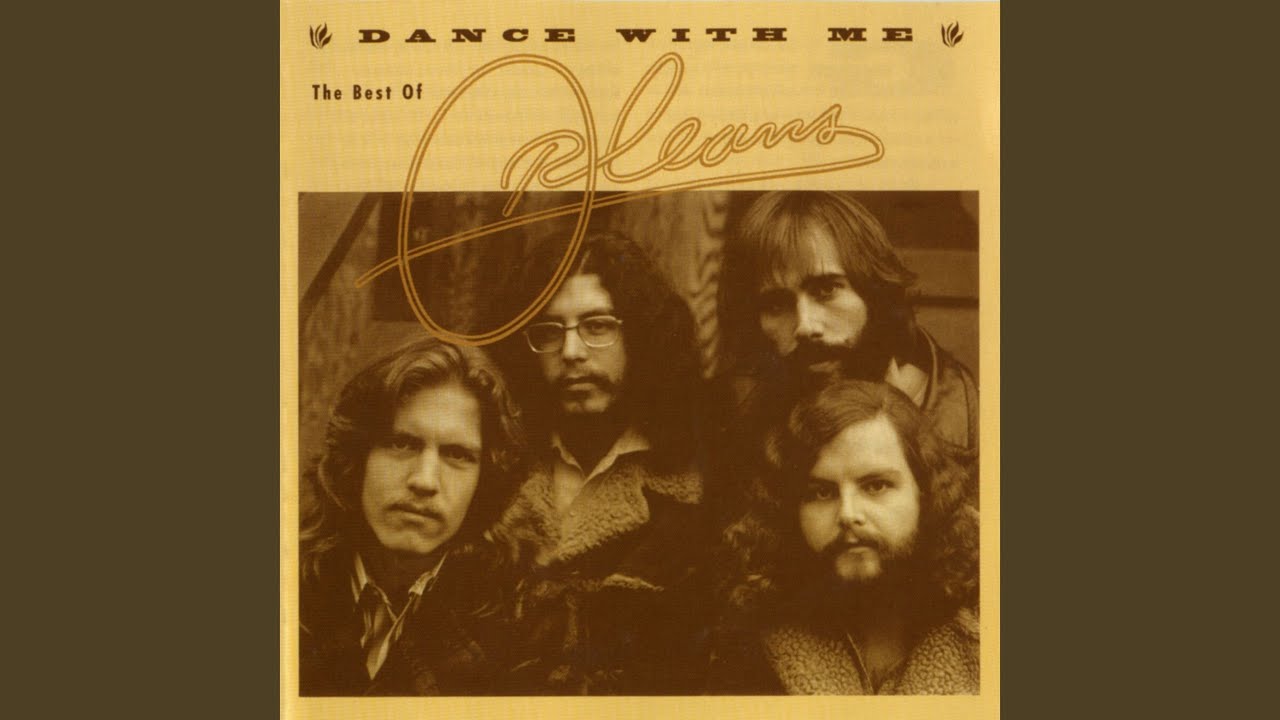
@Wanda3 Dupree’s a one-hit wonder but Steal Away’s one of the yachtest yacht rock songs ever.
In other news, Yacht Rock Revue is coming to the State Fair 
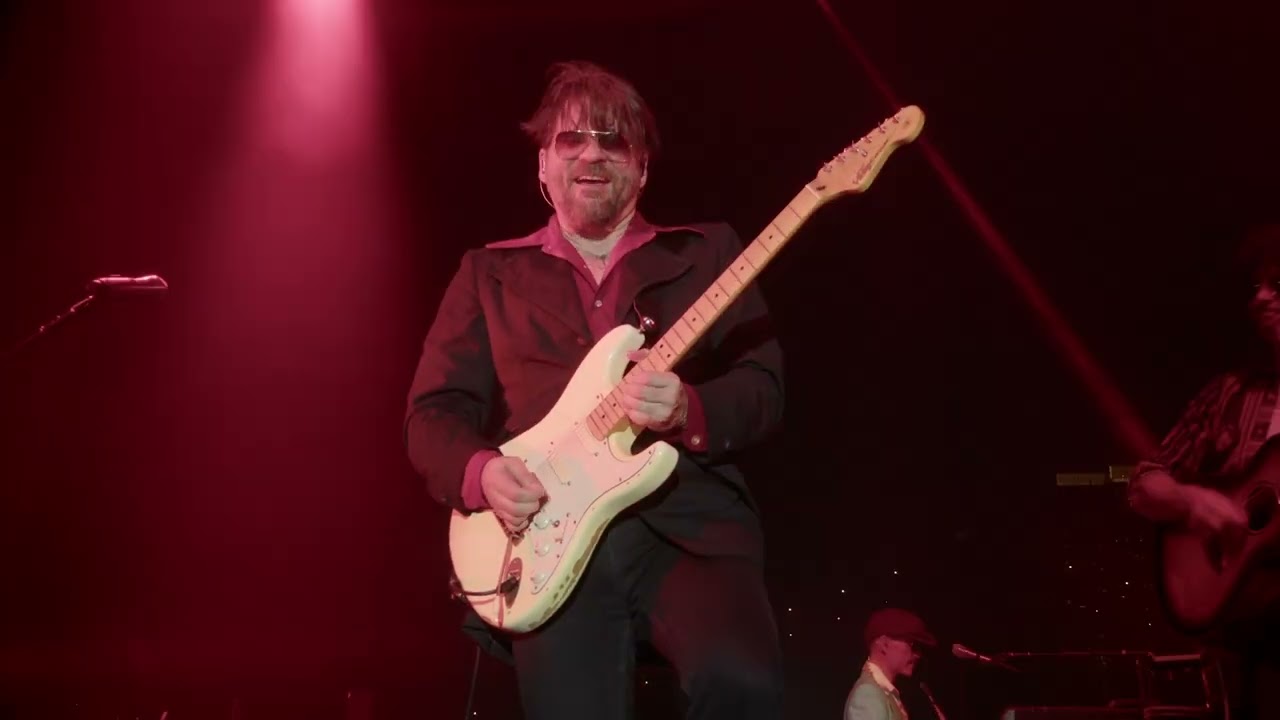

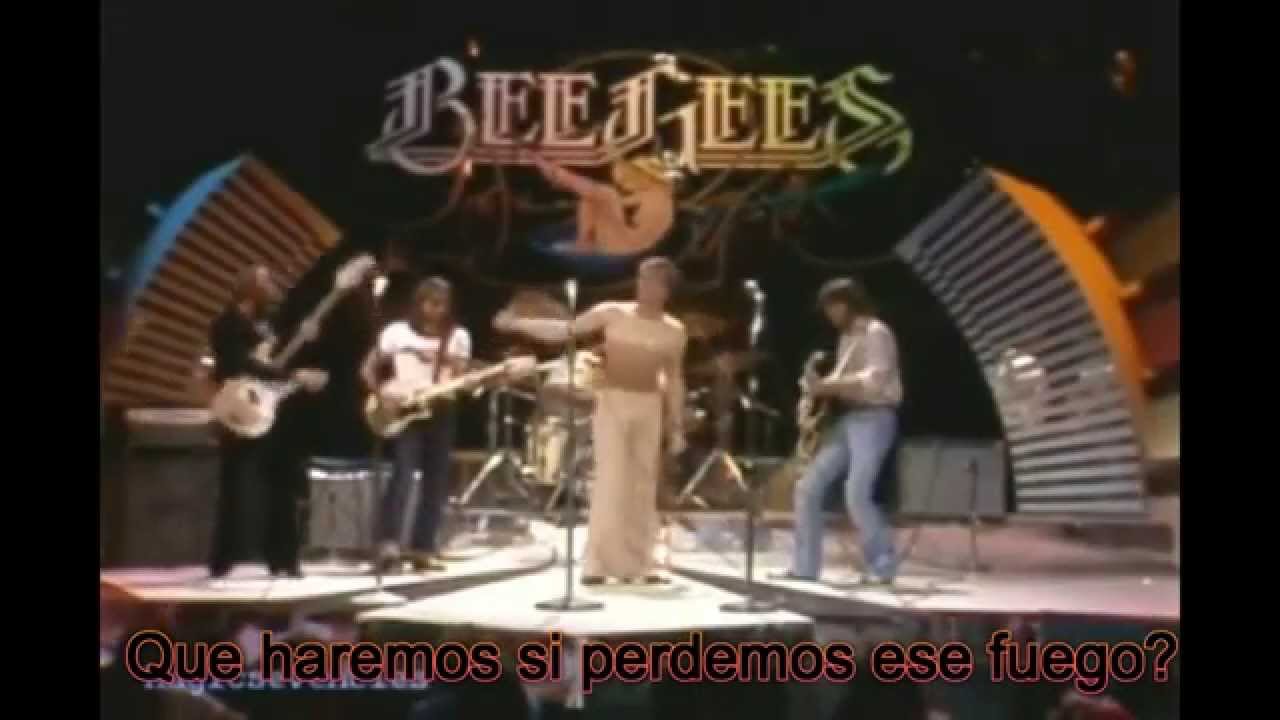
Rare appearance (?) without their guitars
Good question. IDK. But what great music!

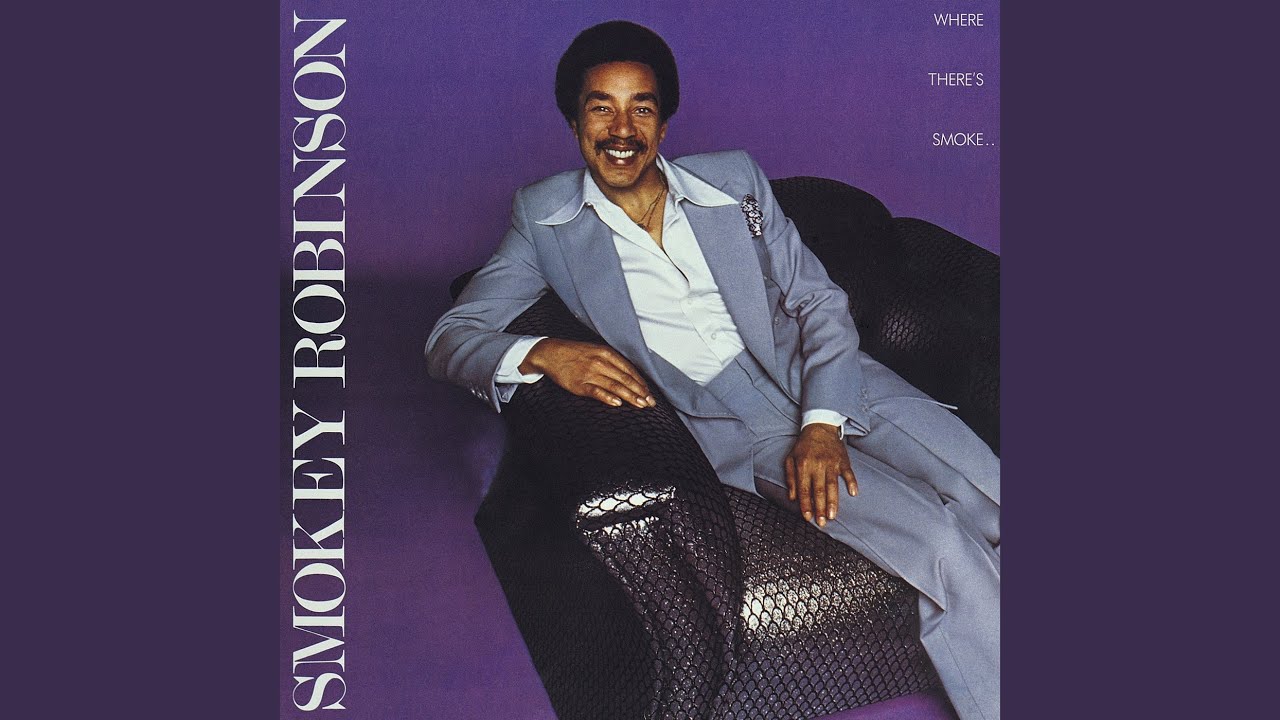
Captain & Tennille 

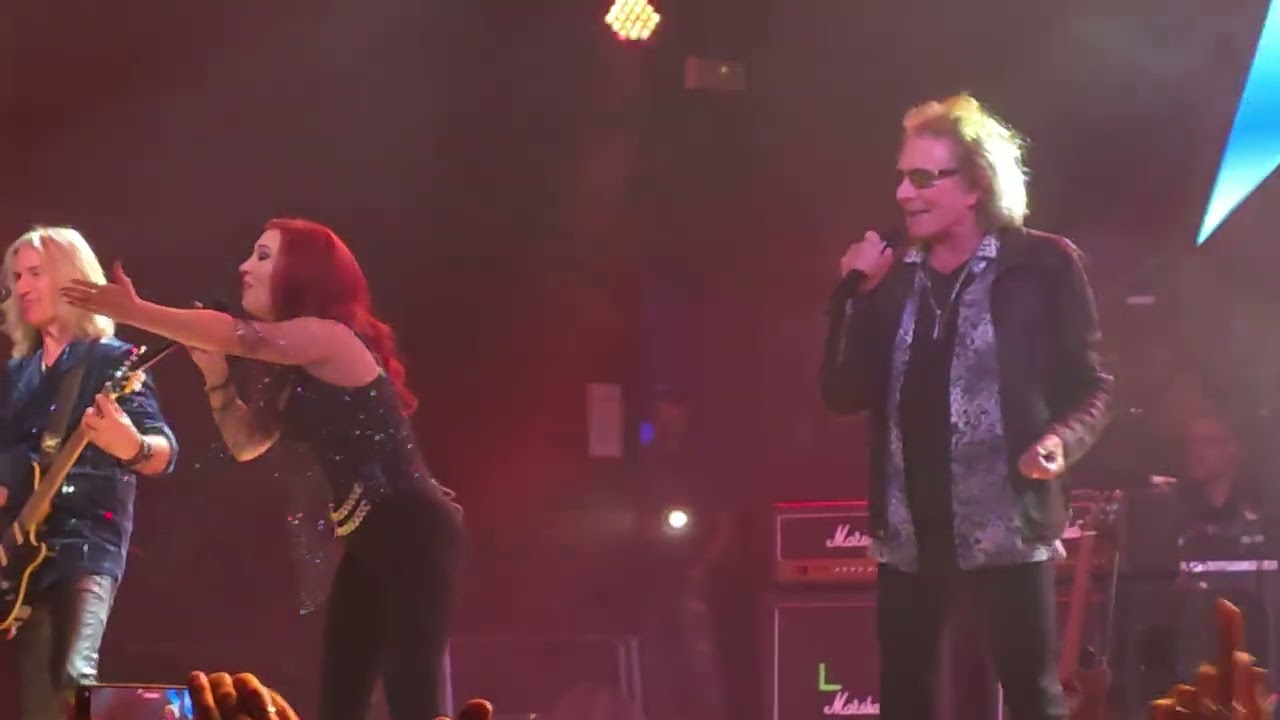
Zadra does Styx…yeah man.

Dennis DeYoung most likely has retired from touring. Good to see August found a new gig with Mickey Thomas and Starship after a short stint with an iteration of Electric Light Orchestra.
Slow song with lots of memories, mid-80’s, before circumstances forced me to grow up.


A letter from DeYoung on his website:
Hey everybody,
“Way back in 1972 I was sitting in my garage with a little Wurlitzer electric piano when this song popped out and started this whole train a rolling”.
This was a line I came up with for the the Paradise Tour in 1996 briefly describing how the song Lady was written. Suzanne and I and CarrieAnn were living in Park Forest, Illinois in a two bedroom ranch we had recently purchased.
JY’s father who owned a construction business was tearing out a bunch of acoustic ceiling tiles out of the University of Chicago and had asked if we had any use for them. I had decided to turn my one car garage into a small rehearsal space for the band while we assembled some songs for our first record. It was in this garage that I wandered out one day in hopes of writing a song that would make the album. To that point I had not considered myself a songwriter but more of a singer keyboardist in a cover band. I had written a song years before for TW-4 called So Long Now that we rarely played but other than that my only solo song writing attempt had been “I’m Gonna Make Ya Feel It” which we first recorded in 1971. What did I know about composition, not much. It has been a mystery to me all these years as to how I came up with Lady in the first place. My memory tells me I was listening to King Crimson’s “Court of the Crimson King” at that time and maybe the images of kings and queens and lords and ladies was lurking in my subconscious. Or was it “What Has Come Between Us” a song given to us to record that contained the lyrical chorus “Lovely Lady” that I thought sounded pretty cool that once again had seeped into my brain. I know for sure the lyrics I came up with were written to describe Suzanne, who even at a young age had always maintained the aura and dignity of a true “lady”. It could have all these things, I really can’t say because I had never written much so I was clueless that Lady was in fact special. Anyway I found this photo on Google taken by Warring Abbott a great photographer who followed us on parts of the Paradise Theater in 1981. This is backstage in a dressing room at Nassau Coliseum and there it is that little Wurlitzer Piano. Rumor has it that Prince saw me in this Purple outfit and immediately wrote Purple Rain and Raspberry Jacket which he later turned into Beret. But that’s just a rumor.
Truth be told I started writing this song on the Wurlitzer but finished it on a Waltham baby grand piano in our house. My daughter now has the Waltham in her house but sadly in my dismissal from Styx it was not returned to me. Bummer!
Cheers, Dennis

Wow I can’t believe it’s been 10 years since I last saw him
